Posts

Showing posts with the label specialty and fine chemicals

The Importance of Lithium Hydroxide as a Critical Raw Material
Image
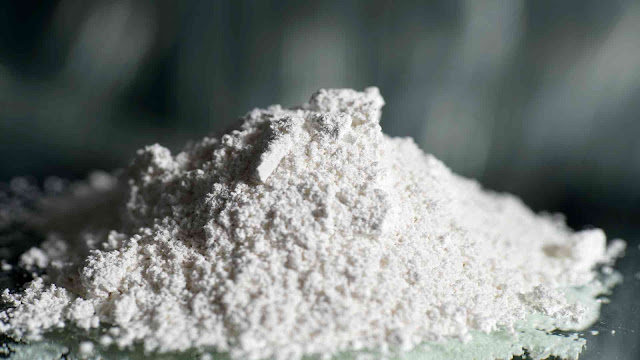
Lithium Hydroxide Lithium hydroxide (LiOH) is an inorganic compound that is produced through the neutralization reaction between lithium carbonate (Li2CO3) and sodium hydroxide or calcium hydroxide (NaOH or Ca(OH)2). It is a white crystalline solid that is highly soluble in water and ethanol. LiOH has multiple industrial uses but is primarily known as a critical component in the manufacture of lithium-ion batteries. Uses - Lithium-ion Batteries: It is used as a precursor to produce lithium oxide (Li2O), which is further processed to manufacture the lithium metal oxides used in the cathodes of lithium-ion batteries. These batteries power consumer electronics as well as electric vehicles. With increasing electrification worldwide, demand for it is rapidly growing. - Heat-Resistant Ceramics: Ceramic materials like lithium aluminosilicate that can withstand high temperatures are manufactured using it. These ceramics find use in applications like heat exchangers, electrical insulators, and ...

Microfibrillated Cellulose: A Sustainable Nanomaterial Revolutionizing Industries

Image
Microfibrillated Cellulose Microfibrillated cellulose (MFC) is a nanoscale form of cellulose produced from wood pulp or plant-based materials through refining processes that separate cellulose fibrils. At the molecular level, MFC consists of cellulose nanofibers with a width of 20-60 nanometers and a high length-to-diameter ratio. This nanoscale fibrillary structure allows MFC to form strong, flexible, and transparent films or gels when dried or suspended in water. Production Methods for MFC While various production methods exist, they all involve mechanically separating and disintegrating the cellulose fibers using processes such as homogenization, microfluidization, or grinding. In homogenization, the wood pulp slurry is pumped at high pressure through a narrow gap to break the fibers into nanoscale fragments. Microfluidization uses a similar high-pressure interaction mechanism in multiple chambers to refine the fibers. Grinding mills employ abrasive surfaces and shear forces to tear...

The Importance of Lithium Hydroxide as a Critical Raw Material

Image
Lithium Hydroxide Lithium hydroxide (LiOH) is an inorganic compound that is produced through the neutralization reaction between lithium carbonate (Li2CO3) and sodium hydroxide or calcium hydroxide (NaOH or Ca(OH)2). It is a white crystalline solid that is highly soluble in water and ethanol. LiOH has multiple industrial uses but is primarily known as a critical component in the manufacture of lithium-ion batteries. Uses - Lithium-ion Batteries: It is used as a precursor to produce lithium oxide (Li2O), which is further processed to manufacture the lithium metal oxides used in the cathodes of lithium-ion batteries. These batteries power consumer electronics as well as electric vehicles. With increasing electrification worldwide, demand for it is rapidly growing. - Heat-Resistant Ceramics: Ceramic materials like lithium aluminosilicate that can withstand high temperatures are manufactured using it. These ceramics find use in applications like heat exchangers, electrical insulators, and ...

Understanding Ethylene Propylene Diene Monomer (EPDM) Rubber: Properties and Applications

Image
Ethylene Propylene Diene Monomer (EPDM) Ethylene Propylene Diene Monomer (EPDM) rubber is a versatile synthetic elastomer widely recognized for its exceptional properties and diverse applications. EPDM rubber is a type of synthetic rubber made from a combination of ethylene, propylene, and a diene monomer. The diene component allows for crosslinking during the vulcanization process, which enhances the rubber's physical properties. The most common dienes used in the production of EPDM are ethylidene norbornene (ENB) and dicyclopentadiene (DCPD).The typical ethylene content in EPDM ranges from 45% to 85%, which influences the rubber's flexibility, strength, and thermal stability. The higher the ethylene content, the better the rubber's performance in terms of mixing and extrusion capabilities. Key Properties of EPDM Rubber Weather Resistance : One of the standout features of EPDM is its outstanding resistance to weathering, ozone, and UV radiation. This makes it an ideal mate...

Understanding Pyrethroid - A Class of Potent Insecticides

Image
Pyrethroid Pesticides are a class of synthetic insecticides that are structurally similar to the natural pyrethrins which are derived from chrysanthemum flowers. They work by altering the sodium channels in insect nerve cells resulting in paralysis and death of the insect. However, modern Pesticides are much more potent than the natural pyrethrins due to modifications in their chemical structure. History of Development The pyrethrins from chrysanthemum flowers were first commercialized as insecticides in the 1920s but tended to break down rapidly in sunlight limiting their usefulness. This prompted the development of Pesticides that would have the same mode of action as pyrethrins but with improved stability and potency. The first synthetic Pesticides, allethrin, was introduced in the 1960s and since then over 200 different Pesticides have been synthesized with varying potency, stability, and environmental profiles. Some of the widely used modern Pesticides include permethrin, cypermet...

Understanding Industrial Adhesives and Their Wide Applications

Image
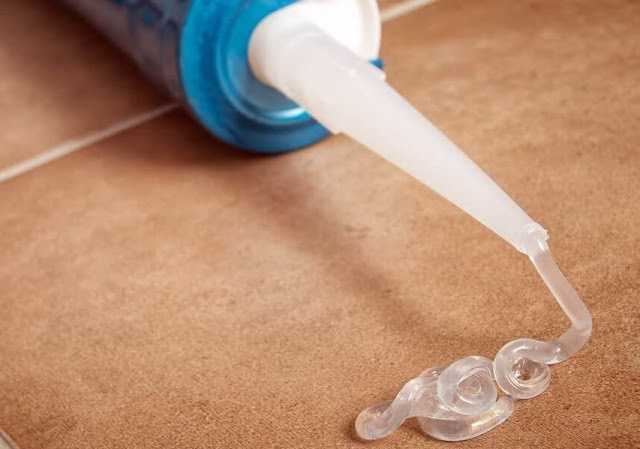
Industrial Adhesives Thermoplastic and Thermosetting Adhesives Thermoplastic adhesives are the most commonly used type in various manufacturing industries. These adhesives soften when heated and harden when cooled. Some examples of thermoplastic adhesives include hot melt adhesives, solvent based adhesives, and water based adhesives. Hot melt adhesives are applied in molten state and instantly bond with surfaces upon cooling. They are commonly used in packaging, woodworking, and footwear industries due to their fast setting and bonding capabilities. Thermosetting adhesives undergo a chemical reaction when heat is applied and solidify into a permanent bond. They cannot be melted or reformed once set. Epoxy, polyurethane, and acrylic based adhesives fall under this category. Thermosetting adhesives tend to form very strong and durable bonds. They are often employed in automotive and aircraft manufacturing where high strength bonds are required. Industrial Adhesives Applications in Key In...

Sustainable Aviation Fuel: A Viable Option to Reduce Carbon Emissions from Air Travel

Image
Sustainable Aviation Fuel Sustainable aviation fuel (SAF) refers to non-petroleum based jet fuels that are produced from sustainable biomass and waste resources. SAF is designed to closely mimic conventional jet fuel in terms of performance, yet offer a significant reduction in greenhouse gas emissions over their lifecycle compared to conventional jet fuel. Some examples of potential sustainable feedstocks for SAF include used cooking oil, animal fats, algae, and plant-based sources like camelina and jatropha. Through various refining processes, these sustainable feedstocks can be transformed into synthetic paraffinic kerosene (SPK) and hydroprocessed esters and fatty acids (HEFA) which have chemical compositions very similar to traditional petroleum-derived jet fuel. Producing SAF There are currently two dominant production pathways for making SAF that have been approved for commercial use. The most established route is the HEFA pathway which involves hydrotreating and deoxygenating s...

The Versatile World of Industrial Adhesives

Image
Industrial adhesives Adhesives play a vital role in various industrial manufacturing processes by bonding different materials together. From construction to automotive to medical devices, industrial adhesives are used in a wide array of applications across multiple industries.  Types of Industrial Adhesives There are several main types of industrial adhesives used depending on the materials being bonded and the requirements of the application. Epoxy Adhesives Epoxy adhesives are known for their high strength and excellent adhesion to various substrates like metals, composites and plastics. They offer excellent chemical and heat resistance making them suitable for structural bonding. Two-part epoxy systems are commonly used as they cure at room temperature into strong durable bonds. Cyanoacrylate Adhesives Also known as superglues or instant adhesives, cyanoacrylate adhesives are acrylic-based Industrial Adhesives that cure very rapidly upon contact with moisture or metal substrate...

Iron Oxide: Nature's Most Abundant Metal Compounds

Image
Iron Oxide Iron Oxide exists in nature in four main forms-hematite, magnetite, maghemite, and wüstite. Hematite is the most common form and has the chemical formula Fe2O3. It is a reddish-brown paramagnetic crystalline solid. Magnetite has the formula Fe3O4 and is ferrimagnetic. It is black in color and one of the magnetic minerals on Earth. Maghemite is similar to magnetite but lacks magnetic properties due to vacant iron sites in its crystal structure. Its chemical formula is γ-Fe2O3. Wüstite is the least oxidized form and has the formula FeO. It is dark gray to black in color and weakly metallic. All four Iron Oxide are insoluble in water but properties vary in terms of color, crystal structure, and magnetic behavior. Hematite and wüstite are paramagnetic while magnetite and maghemite display ferrimagnetic properties below a critical temperature known as the Curie point. The oxides crystallize in different structures ranging from corundum and crystal forms of hematite to the inverse...